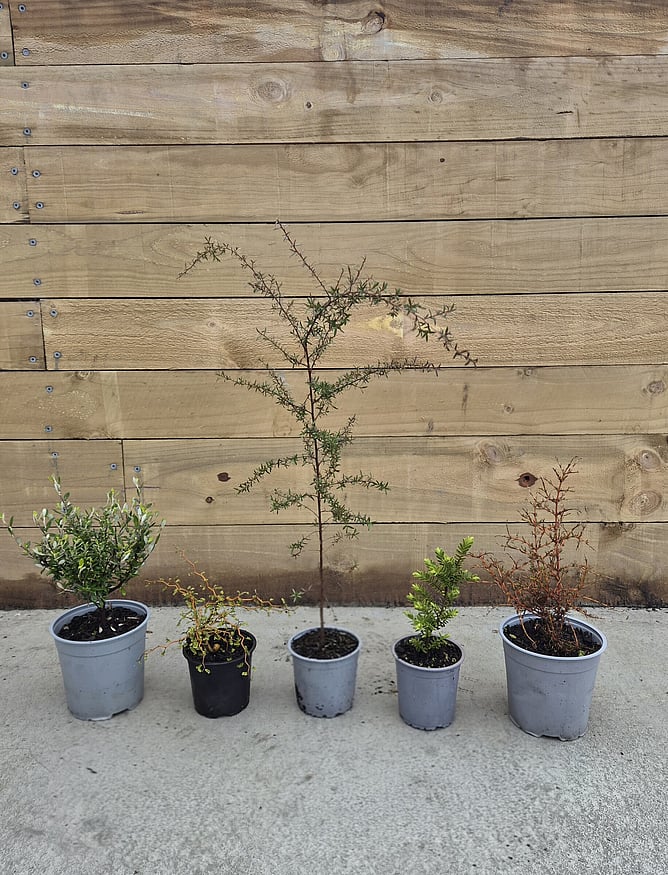
Gardening in Central Otago isn't for the faint-hearted. Between baking, dry summers and bone-chilling winter frosts, plants need serious grit to survive, let alone thrive. But if you're looking to create a garden that hums with local birdlife and native pollinators, you don't have to compromise on toughness.
By choosing hardy New Zealand natives adapted to harsh climates, you can build a resilient, low-maintenance garden that provides year-round food and shelter for our local wildlife. Here are five top native choices that handle the Central Otago climate with ease while keeping the birds and bees very happy.
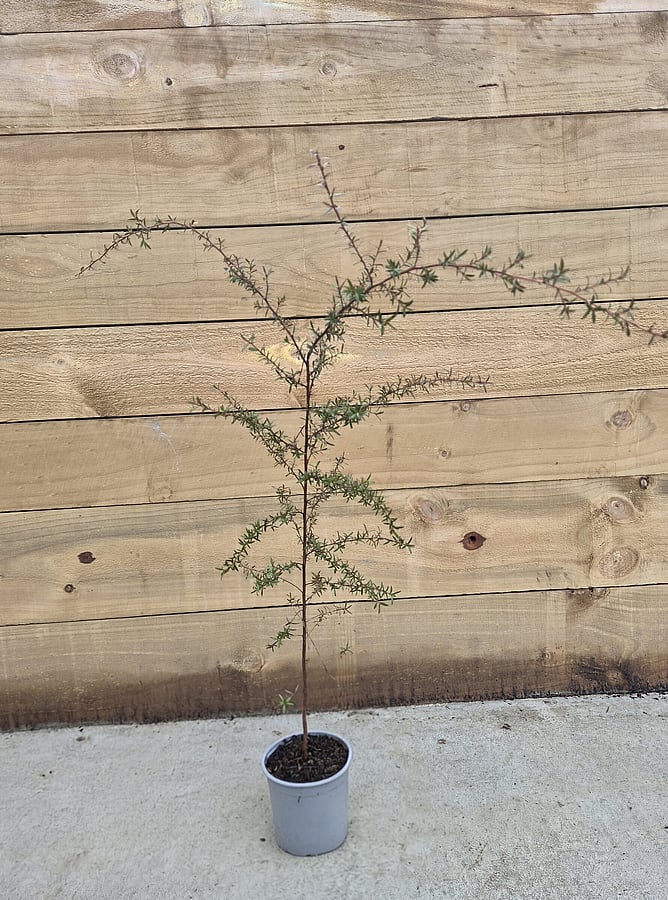
Leptospermum scoparium (mānuka)
Best for: Bees and beneficial insects
You can't talk about bee-friendly native gardens without mentioning mānuka. Bursting with small white-to-pink blossoms from late spring through summer, mānuka provides a massive hit of nectar and pollen when local honeybees and native solitary bees are most active.
Climate match: Extremely cold-tolerant and handle dry, poor soils once established.
Wildlife perk: Beyond bees, dense mānuka branches offer excellent nesting cover for small birds like fantails (pīwakawaka).
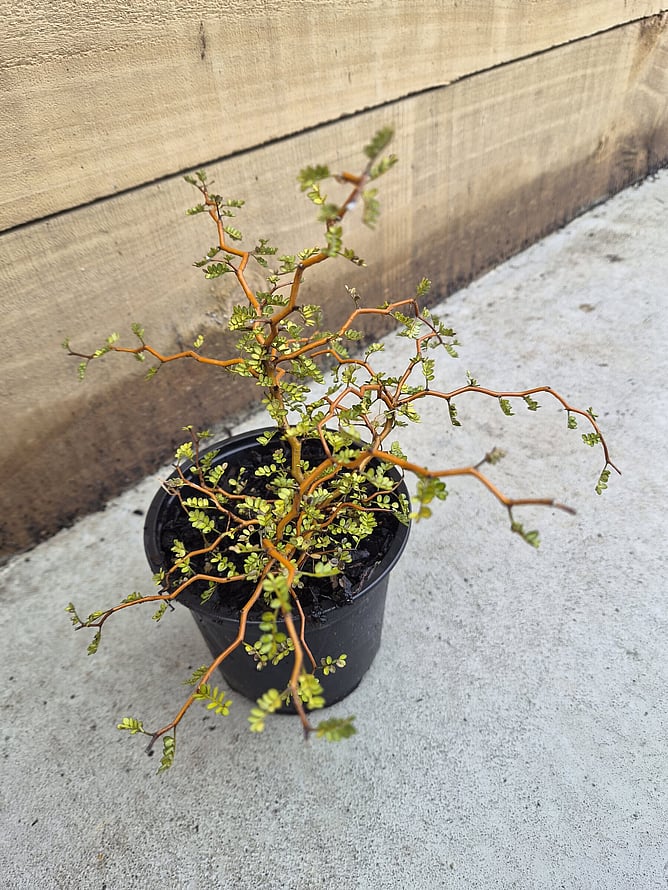
Sophora prostrata (prostrate kōwhai)
Best for: Bellbirds (korimako), tūī and early spring bees
While tree-form kōwhai are classic, Sophora prostrata is a fantastic low-growing alternative suited to exposed or windy Central Otago sites. Its tangled, divaricating (zigzagging) branches protect its growth from harsh winds and winter frost. In spring, it produces rich golden nectar cups that nectar-feeders can’t resist.
Climate match: Naturally found on dry, stony alpine slopes, it thrives in Central Otago conditions.
Wildlife perk: The hanging yellow blooms act as an essential early-season energy boost for tūī and korimako coming out of winter.
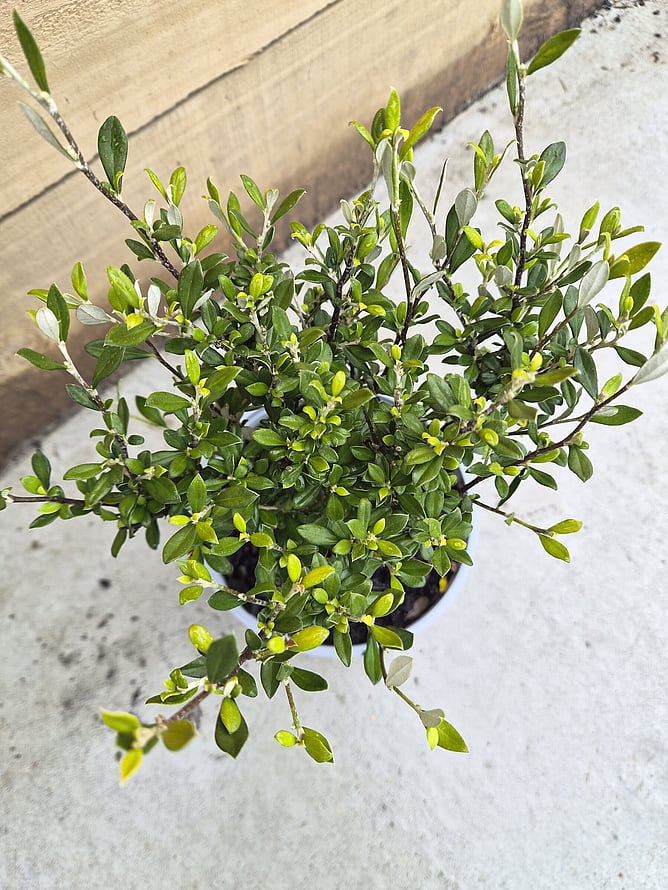
Corokia 'Emerald and Jade' (wire netting bush)
Best for: Fruit-eating birds and native pollinators
With tight, interwoven stems and small, silvery-green leaves, Corokia cultivars like 'Emerald and Jade' make ideal hedging or structural garden features. In late spring, tiny, star-shaped yellow flowers attract bees, followed in autumn by a heavy crop of small berries.
Climate match: Exceptionally drought-hardy, frost-tolerant and unbothered by strong winds.
Wildlife perk: The autumn berries provide vital food for silvereyes (tauhou) and bellbirds as winter approaches.
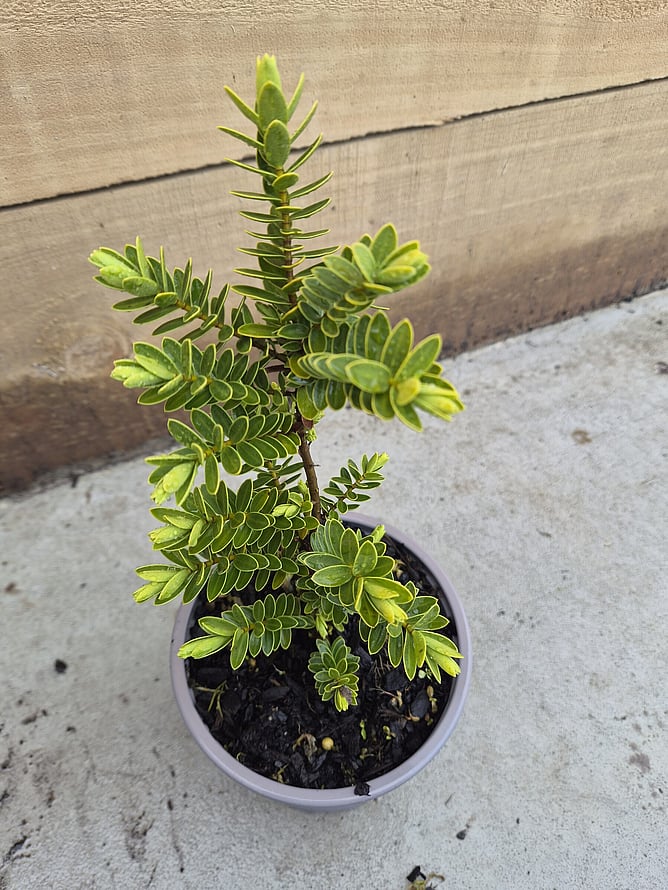
Hebe 'Wiri Mist'
Best for: Bees and butterflies
Hebes are a cornerstone of kiwi gardens. 'Wiri Mist' is a compact, mounding variety that smothers itself in masses of pure white flower spikes in late spring and summer.
Climate match: Handles frosts down to around -7°C to -10°C easily and copes well with dry summer spells once rooted in.
Wildlife perk: The exposed, shallow flowers make nectar easily accessible for short-tongued native bees, honeybees and butterflies.
Coprosma 'Lobster'
Best for: Berry-eating birds and lizard habitat
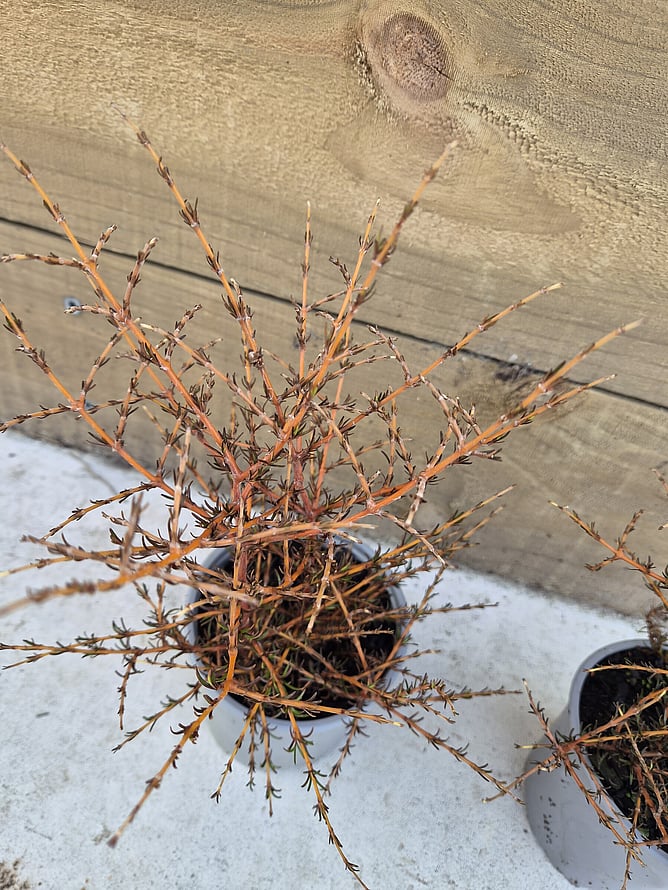
Don't let the name fool you. 'Lobster' gets its moniker from its distinct, warm copper-orange tangled stems. It adds striking colour and texture to a winter landscape, but more importantly, female Coprosma plants produce translucent berries packed with energy.
Climate match: Virtually indestructible once established; handles extreme frost, heat and gale-force winds.
Wildlife perk: The dense, twiggy network provides safe refuge from predators for small birds and native skinks, while the berries feed local bird populations through autumn.
Quick Planting Tip for Central Otago
While all five of these natives are ironclad once established, autumn or early spring is the best time to plant them in Central Otago. Planting in autumn lets their root systems establish during the cool, damp months before facing their first searing summer heatwave.